Attractions of Hungary
Attractions of Hungary
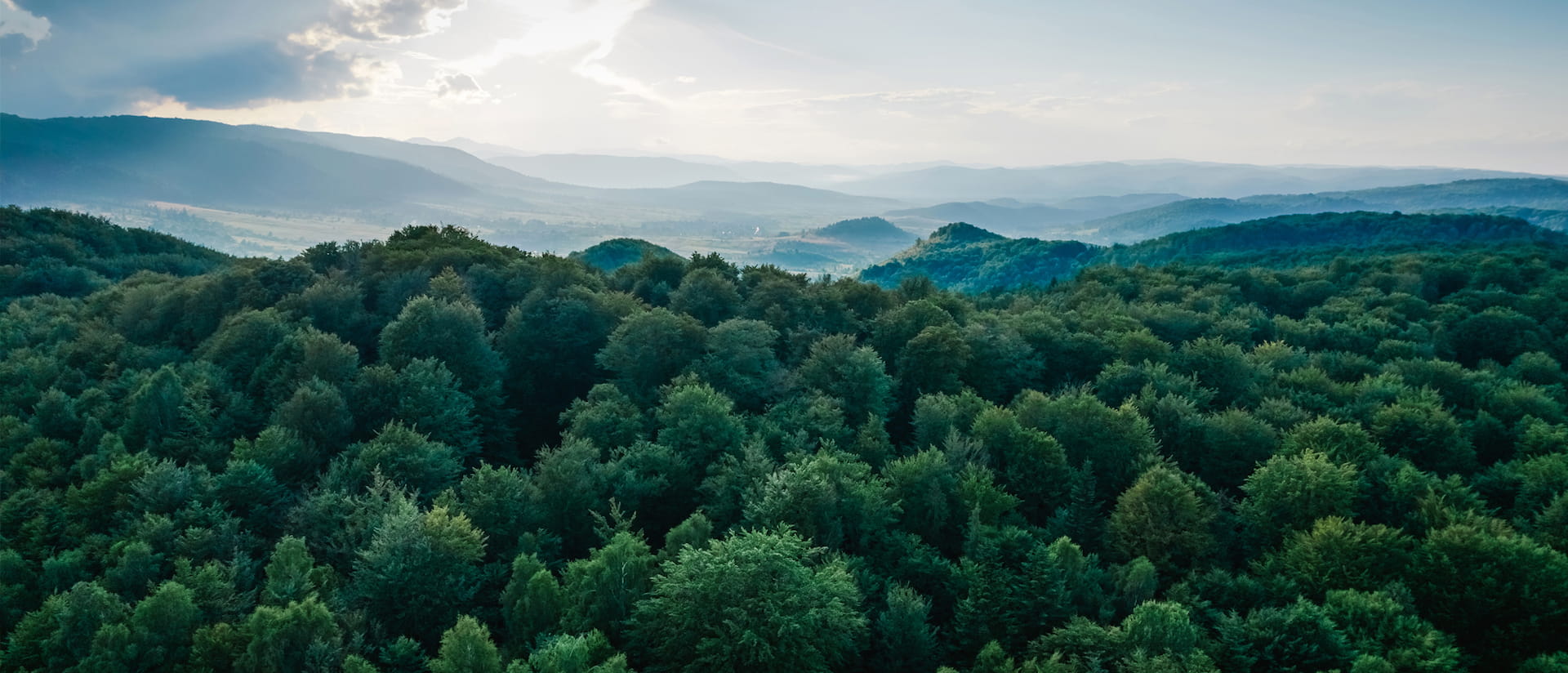
Hungary’s capital city, Budapest, is known as The City of Lights. The country has many beautiful villages and stunning scenery, which give a sense of its rich history and traditions. You’ll find charming old historical places in cities and towns all over Hungary. These places have been preserved for many years and show the influence of various cultures, from Turkish invaders to Italian Renaissance designers.
Discover Hungary’s Top Attractions!
EXPLORE OUR COUNTRY’S RICH CULTURE AND NATURAL BEAUTY BY VISITING SOME OF ITS IMPORTANT SIGHTS.
Here are some of the best places to visit in Hungary that you might find interesting:
The Lake Balaton
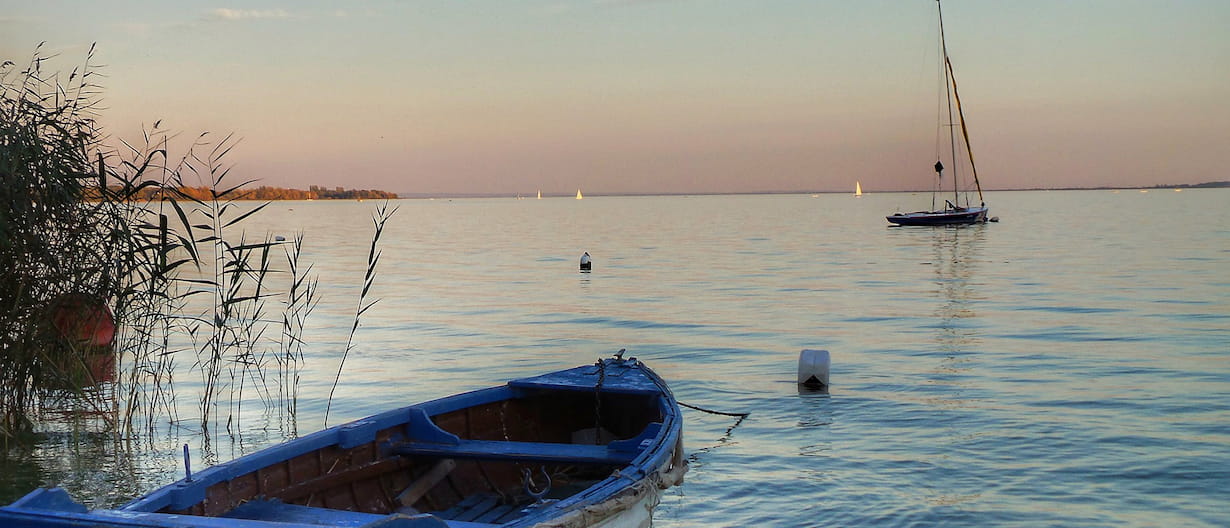
Balaton is a lake in Hungary that’s very special to Hungarians. We all have memories from when we were kids, playing in the sand by the shallow water. The place is very beautiful, and there are lots of things to do nearby. The people who live there are very friendly, which makes it even more special. Balaton is one of the most important places to visit in Hungary because of all these things. The lake is the biggest one in central Europe. The northern part of the lake is hilly and famous for its wines and art. The southern part is mostly flat and has very shallow water, which is great for families who want to go to the beach.
Tihany
Benedictine Abbey in Tihany – A Must-Visit Landmark Tihany, located on Lake Balaton, is a popular holiday resort in Hungary. The 17th-century Benedictine Abbey is a must-visit landmark with its spectacular views of the lake and the surrounding area. The region is particularly attractive in early spring, when the almond trees are in bloom, and in June, when the lavender fragrance fills the air. Visitors can also walk to the lovely old Inner Harbor to see numerous moorings for passenger ships and enjoy the lakeside promenade.
The Buda Hills
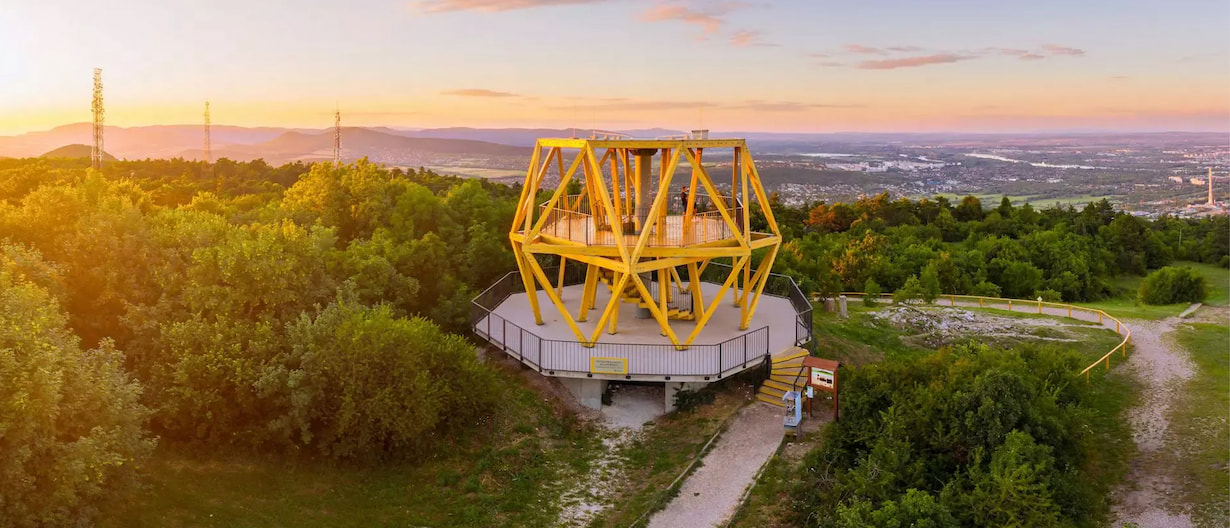
The Buda Hills on the western outskirts of Budapest offer a wide network of trails perfect for walking or biking. You can also take the tram to the terminus of the Cog Railway that climbs to the lovely residential neighborhood Széchenyi-hegy. From here, the narrow-gauge Children’s Railway follows a scenic route to Hűvösvölgy. There are also plenty of walking trails from any stop, or you can get off at the highest stop, János-hegy, and ride the Budapest Chairlift down for some of the finest views over the city.
The Danube Bend
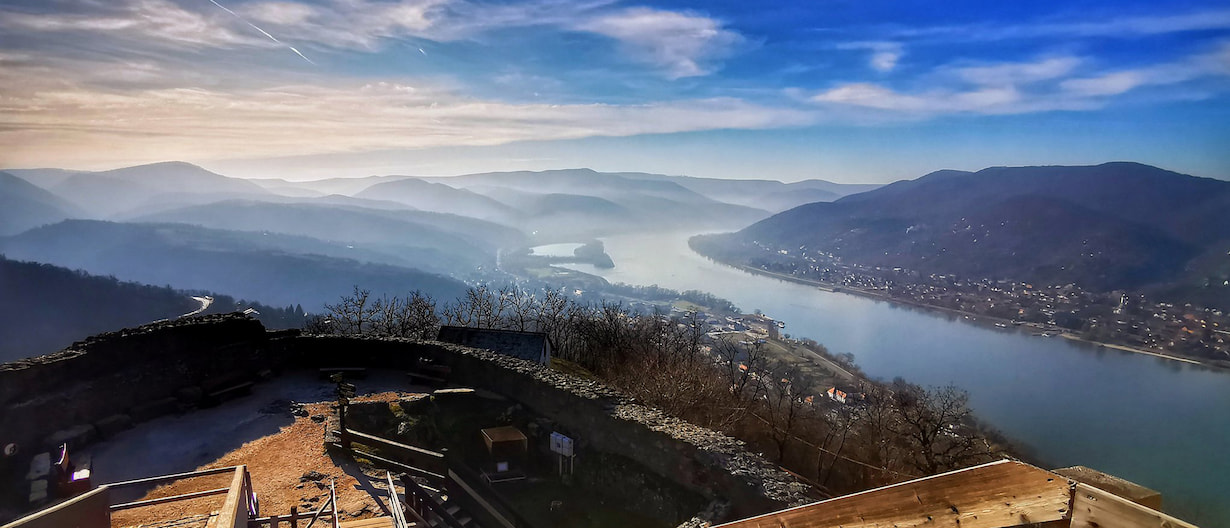
The Danube Bend is a beautiful part of the river that has many lovely villages and impressive fortresses along its banks. It was an important trade and transport area in Europe and is close enough to Budapest for a popular day trip. You can take a bus or boat tour from the city.
Visegrád Royal Palace
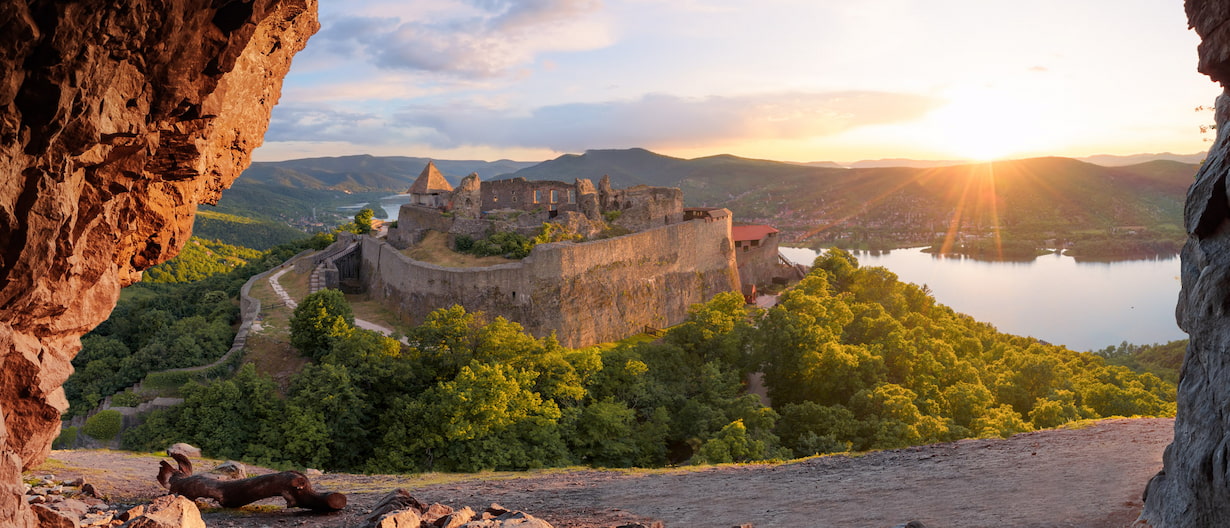
Visegrad used to be a Roman stronghold and a popular spot for Hungarian royalty in the 14th and 15th centuries. The Roman Citadel is still well-preserved, and visitors can explore the open-air King Matthias Museum, which is the site of the ruins of Hungary’s most magnificent palace.
Visegrád Royal Palace Located above the beautiful old town of Visegrád in the Danube Bend, Visegrád Royal Palace is an old citadel that’s an easy day trip from Budapest. The first Royal Palace was built under Charles I in 1316, and was extended a hundred years later with many Italian flourishes. While now largely ruins, it impresses visitors with its dimensions and incredible views over the Danube and the surrounding area.
Szentendre / Skanzen Village Museum
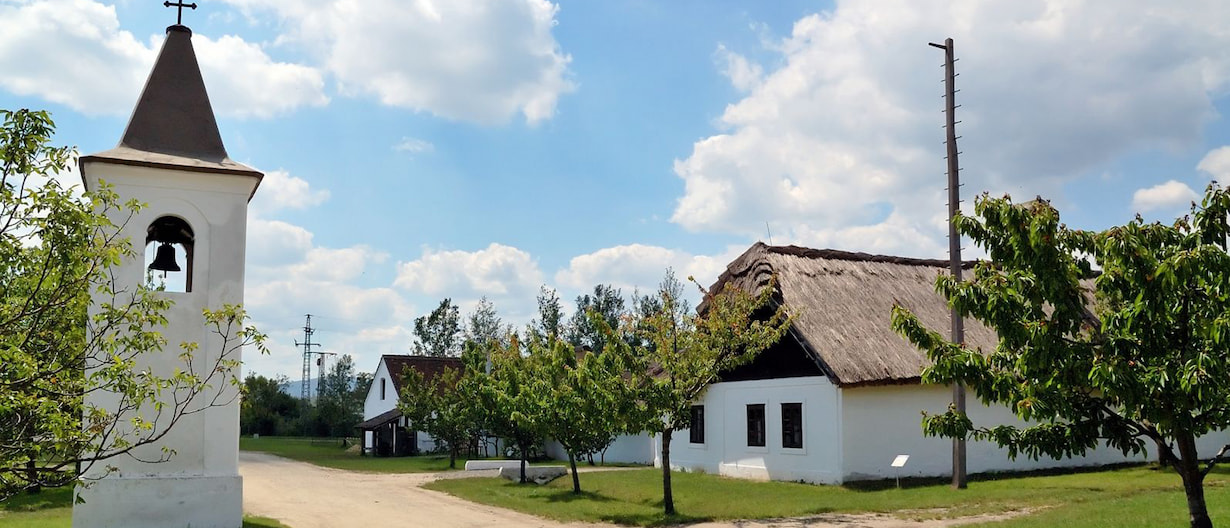
Szentendre is a beautiful old town with a market that many people think is one of the prettiest in the area. The streets are made of stones, and the old buildings are painted in bright colors. The town has many pretty Orthodox churches, and it was famous for artists in the 1900s. You can visit many museums and art galleries in Szentendre, which is close to Budapest. It’s an excellent spot for tourists because there are many places to eat, drink, and have fun. The houses are colorful, and the city is very charming. Near Szentendre, you’ll find the Open-air Museum (Skanzen), which looks like a village with lots of traditional Hungarian houses that you can explore. You can see how people used to decorate their homes, farm, and see folk art. You can also watch people make baskets and do other crafts. There are lots of things for kids to do, and there are festivals like Easter and the Festival of Goose throughout the year that you can enjoy.
Esztergom Basilica
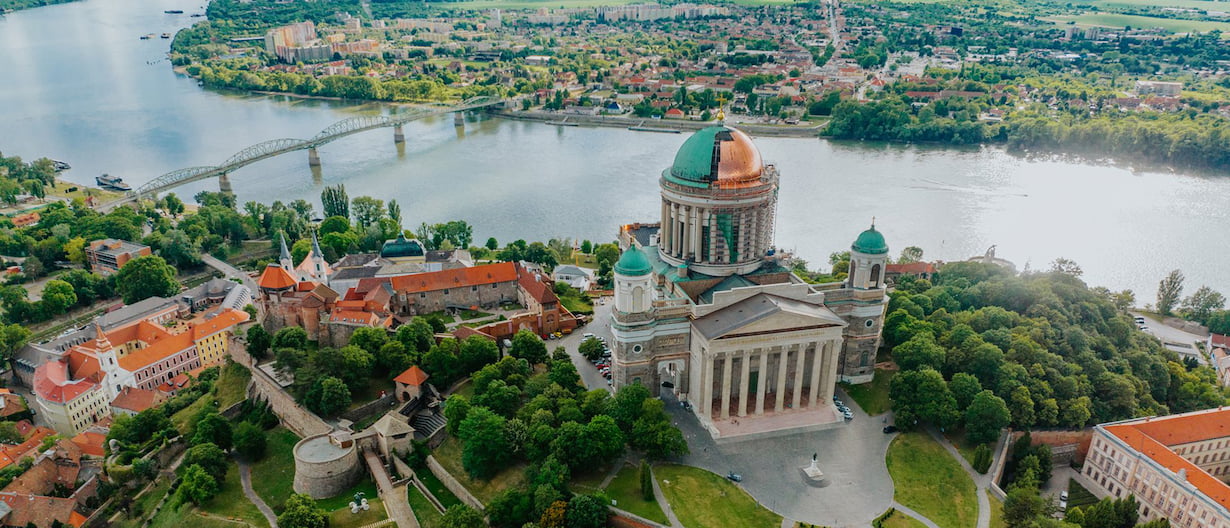
Esztergom is an important historical town in Hungary that used to be the country’s capital for over 250 years. Visitors should not miss the ruins of the medieval Royal Palace and the Castle Museum. The town’s largest church and first cathedral offer breathtaking views of the river.
Esztergom Basilica – A Spectacular Catholic Church Esztergom Basilica is an impressive Catholic church and the biggest religious structure in Hungary. Located on Castle Hill, it overlooks the Danube River and was built in 1507. The church is notable for its epic altarpiece that holds the world record for the largest painting, and for its massive crypt constructed in the Old Egyptian style. The church also houses Hungary’s largest organ, and guided tours of the church and Treasury are available in English.
Hortobágy National Park – the Puszta
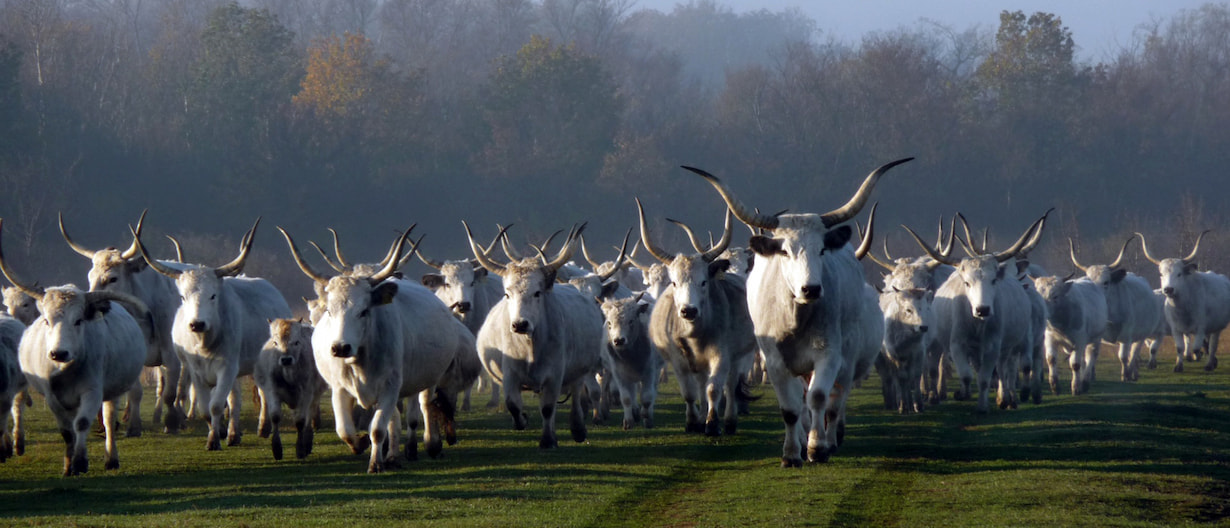
The UNESCO World Heritage Committee included this sprawling area of thousands of hectares on its list in 1999. Hungary’s first national park was created on these 51,000 hectares in 1973. Today, its area spans 82,000 hectares, making the National Park the country’s largest contiguous conservation area. In addition to the saline grasslands, pastures, loess steppes, floodplain forests and groves, it is made up of swamps and lakes, which are perfect hiding places for endangered ancient Hungarian animal species, while the flora of the landscape is also extremely diverse. If you’d like to learn about the life of Hungarian shepherds, head to the Hortobágy National Park, just over 30 kilometres from Debrecen.
Sopron
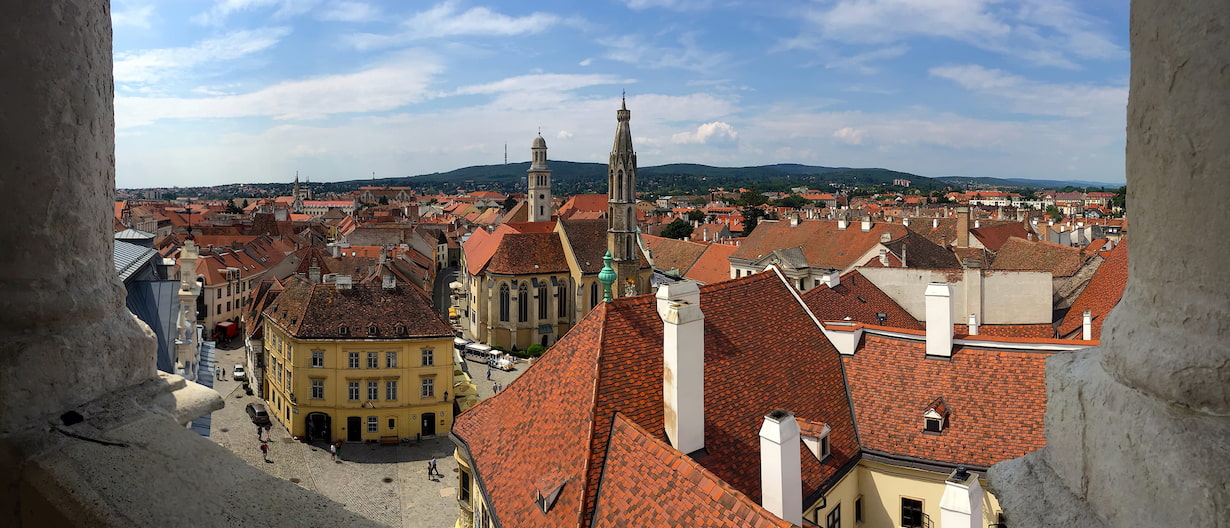
Sopron is an ancient city located just 64 kilometers south of Vienna and 8 kilometers from the Austrian border. It’s nestled near the eastern foothills of the Alps, making it a popular destination for day-trippers. It has beautiful medieval and Baroque buildings that are well-preserved. With 240 protected buildings and 115 officially listed monuments, it is one of the largest collections of protected buildings in Europe.
Pécs
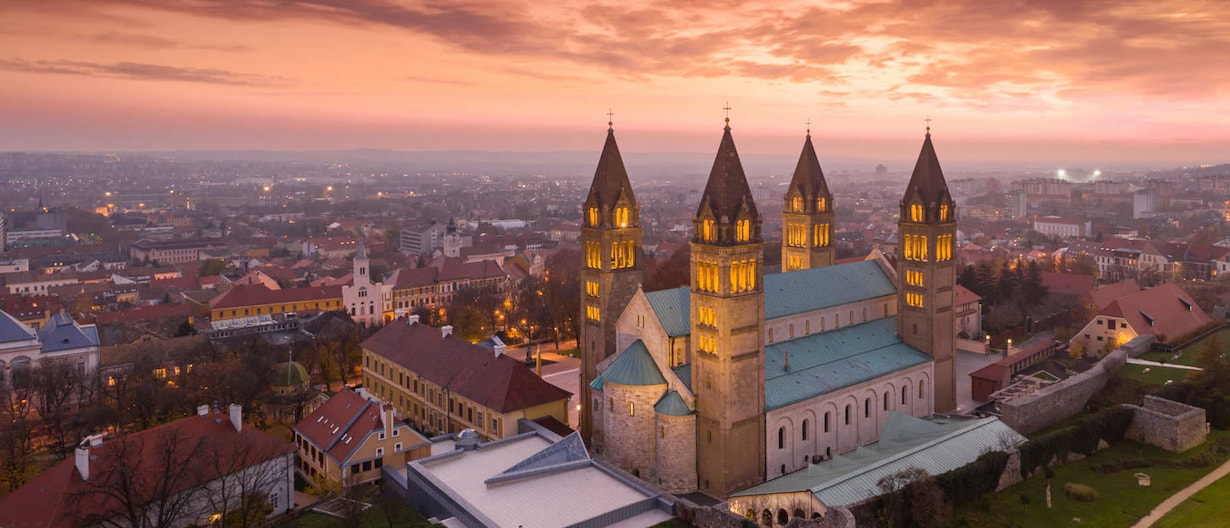
Cathedral of St. Peter Dominating the northwest corner of the fortified Old Town of Pecs, the picturesque Sts. Peter and Paul’s Cathedral Basilica, also known as Pecs Cathedral, is built on the site of an ancient Roman burial chapel. The cathedral was founded in 1009 and has a unique collection of religious artifacts from throughout Hungarian history on display, as well as a number of graves from the Early Christian cemetery. Nearby, visitors can explore the Mosque of Yakovali Hassan Pasha, with its 22-meter-high minaret and museum.
Eger
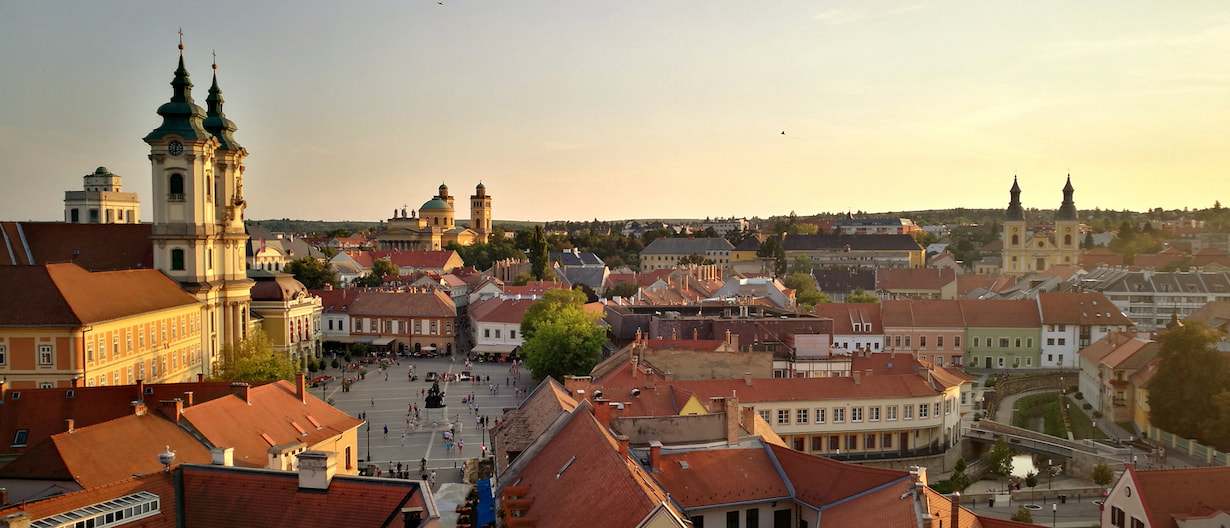
Eger is a charming town in Hungary, a lovely spa town on the southern slopes of the Bükk Mountains, known for its well-preserved Baroque buildings, wines (Egri Bikavér) and rich history. The hilltop castle is a must-see, reached by climbing up the cobbled street called Vár köz. Eger Castle is one of Hungary’s best-known historical fortresses, castles and palaces. Built in the 13th century after the Mongol invasion, it was enlarged in the 16th century, and its ‘new’ design, modelled on contemporary Italian fortifications, was completed after the Turkish occupation in 1596. Visitors today can explore the surviving towers that stand tall above the city, as well as a number of ruins, all of which give a sense of the size and power of the once great fortress. Other attractions in the city include the statue of local hero István Dobó and the restored Dobó Bastion, which offers stunning views of the city. You can also visit the Valley of the Beauties to taste the famous local wines or explore the nearby Bükk Mountains for hiking and other outdoor activities. Eger is a beautiful and historic city that is definitely worth a visit!
The Caves of Lillafüred
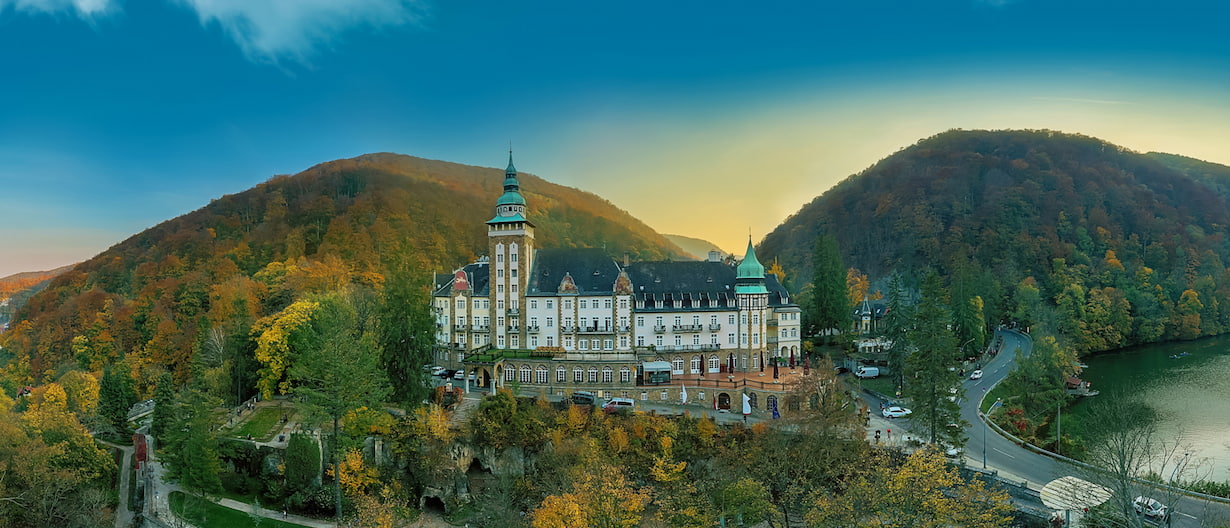
Spectacular Caves Lillafüred in the Bükk Mountains is a popular spa destination in Hungary famous for its many spectacular caves. The István Cave has fantastic stalactite formations, and the Petofi Cave is famous for the impressions of extinct plant species left in its limestone walls. Visitors can also take the trail to the Szeleta Cave to see a fascinating collection of relics dating from the Ice Age, including skillfully made arrows and spears.
Aggtelek National Park
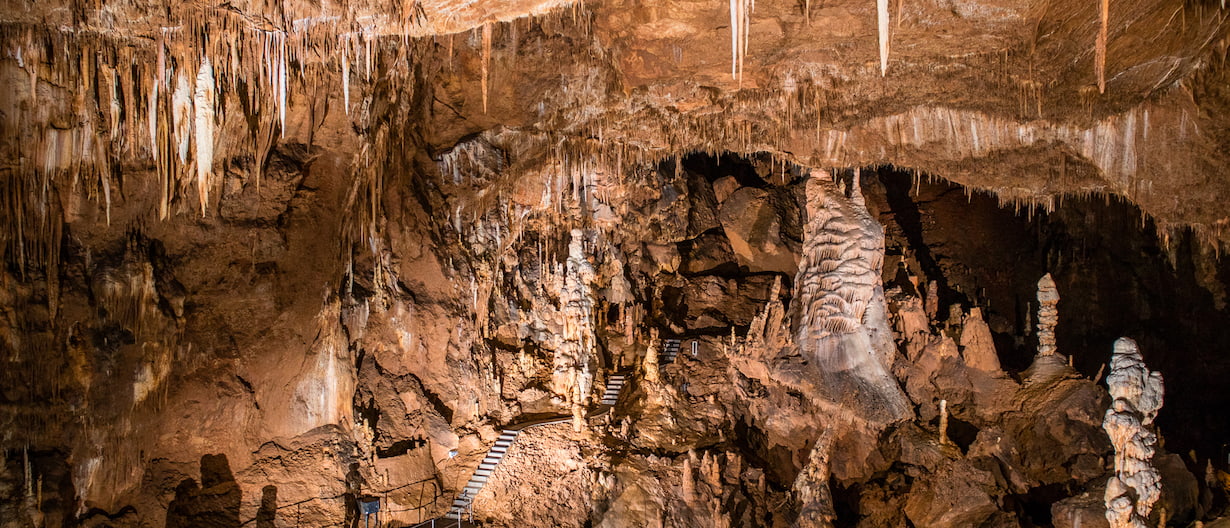
Aggtelek National Park and Caves Aggtelek National Park, in north Hungary on the Slovak border, is home to one of the largest and most impressive stalactite caves in Europe, the Baradla Cave. With over 25 kilometers of passages, the cave was formed over thousands of years, with dripping mineral-rich water forming giant stalactites and stalagmites in fantastic shapes and bizarre colors. The park covers almost 200 square kilometers and is also protected as a UNESCO World Heritage Site. The park is popular with hikers and nature lovers, and there are three other caves that have recently been opened to visitors: the Imre Vass Cave, the Béke Cave, and the Rákóczi Cave.
National Blue Trail
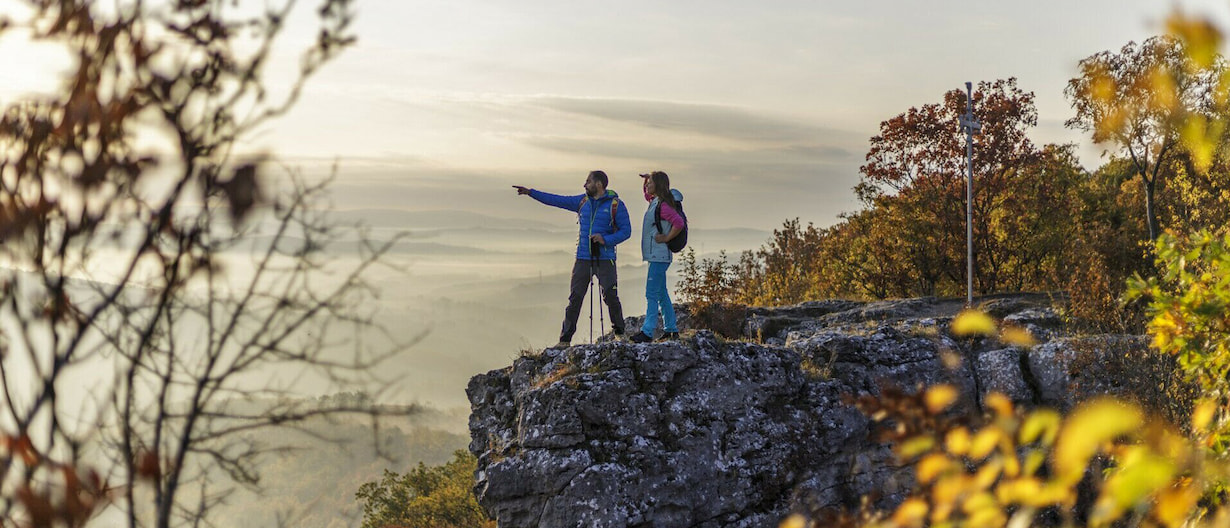
Hiking the longest continuous trail in Hungary is a challenging opportunity to explore rural areas. The 27 sections can be completed in any order and without time constraints. The drop-down list provides detailed information on each section, including elevation transects, points of interest, and stamping locations.
Starting at the highest point in Western Hungary, Írott-kő in Kőszeg Mountains, the trail covers plains, hills, and forests, with opportunities to visit historic towns, castle ruins, and spiritual sites. After passing through lookout points in Vértes and Gerecse, the trail enters Buda Hills, with popular destinations like Nagy-Szénás, Hűvösvölgy, Árpád lookout tower, and Hármashatár-hegy. The trail passes through the Danube Bend, the Dera Creek gorge, and Dobogókő, the birthplace of Hungarian hiking.
Crossing the Danube to Eastern Hungary, the trail passes through Börzsöny Mountains, Cserhát hills, Mátra Mountains, and Bükk Mountains, with opportunities to visit landmarks like the Cistercian Abbey Church of Bélapátfalva and the Caves of Aggtelek. The trail ends at the highest peak of Zemplén Mountains at the state border, near Hollóháza.
Airport Transfer
Door-to-door transfer service with English-speaking drivers and air-conditioned cars and free WIFI at great rates. Book your transfer to us through the internationally renowned WelcomePickups service for a seamless, stress-free arrival experience.